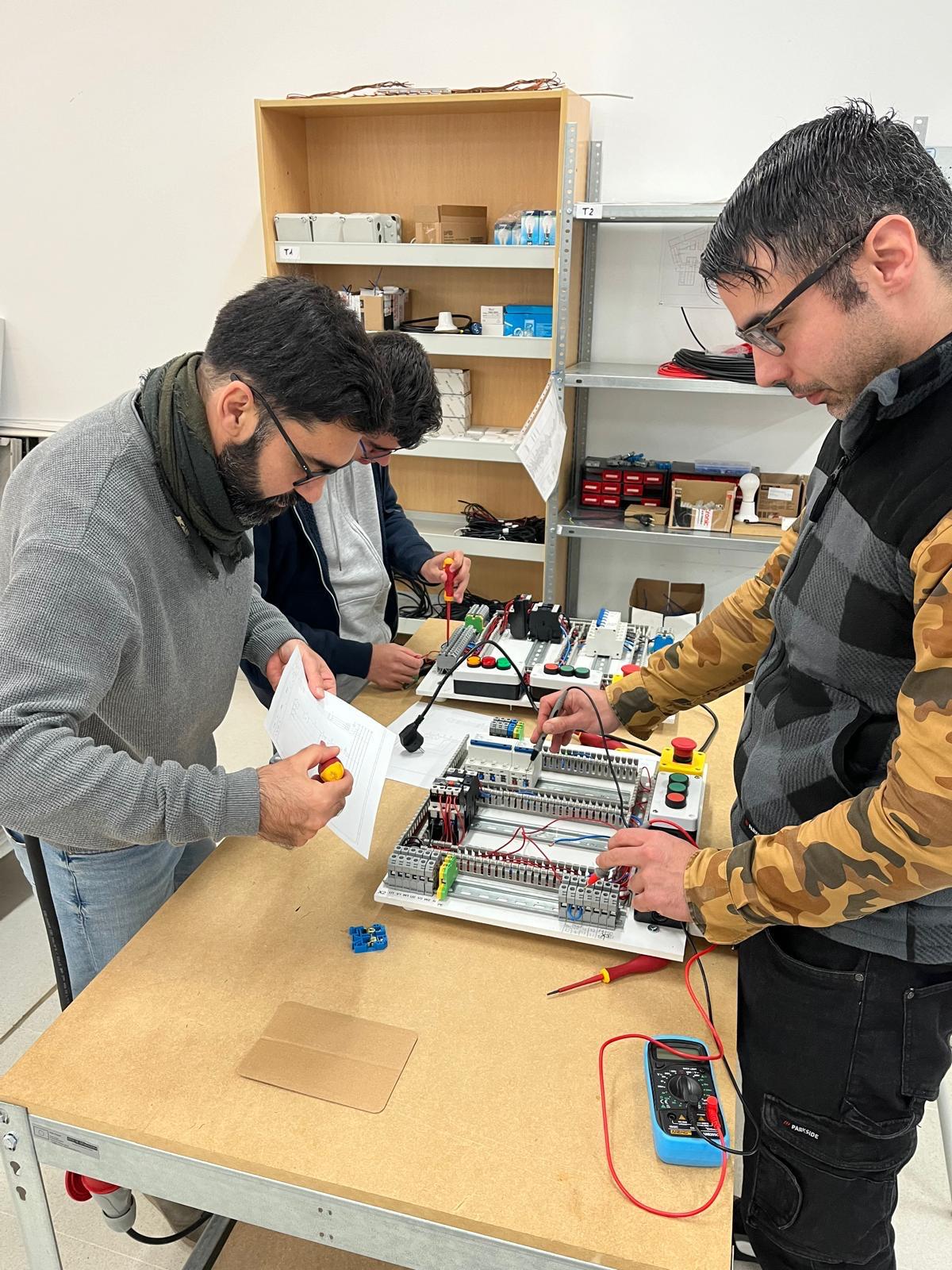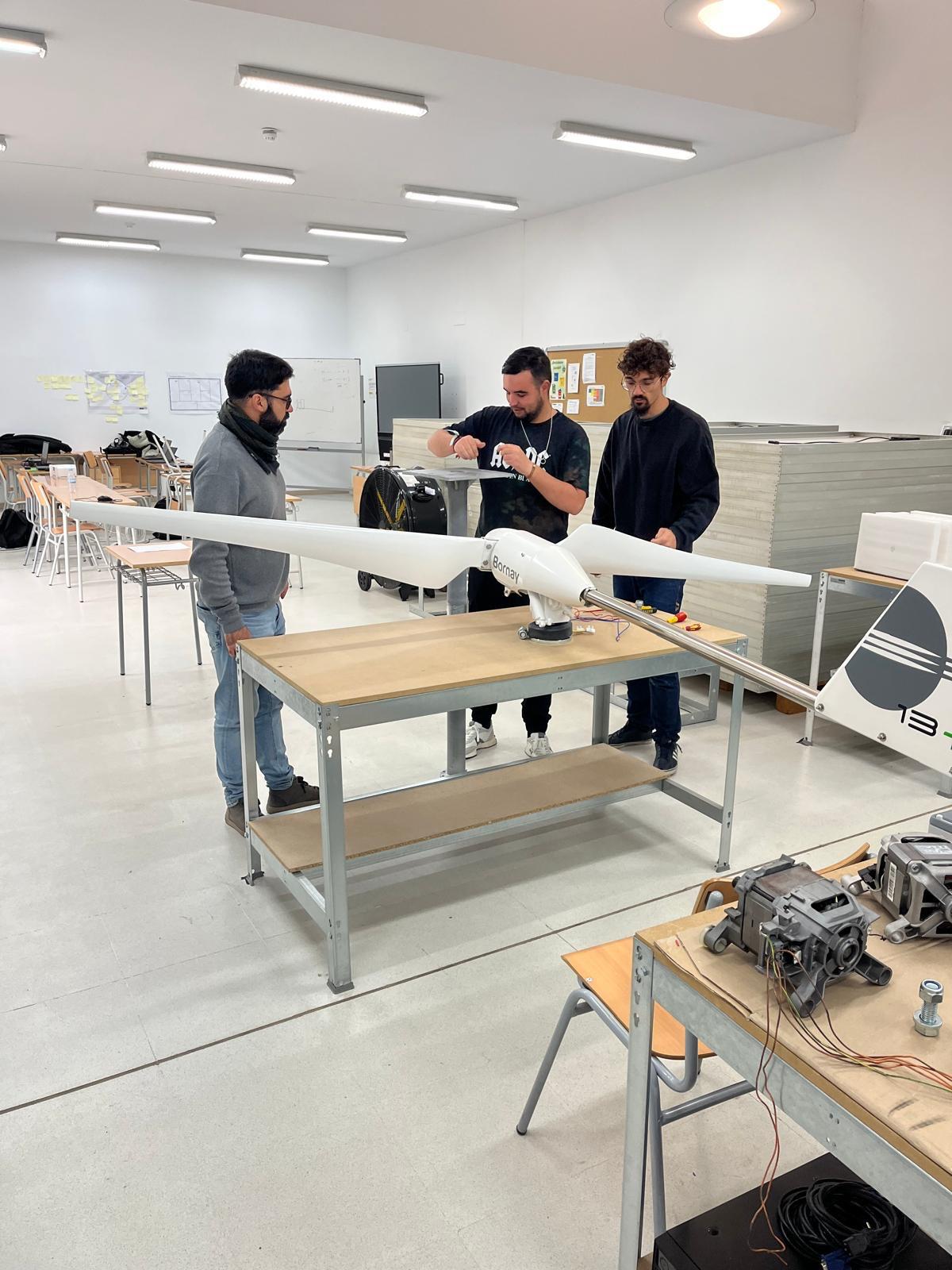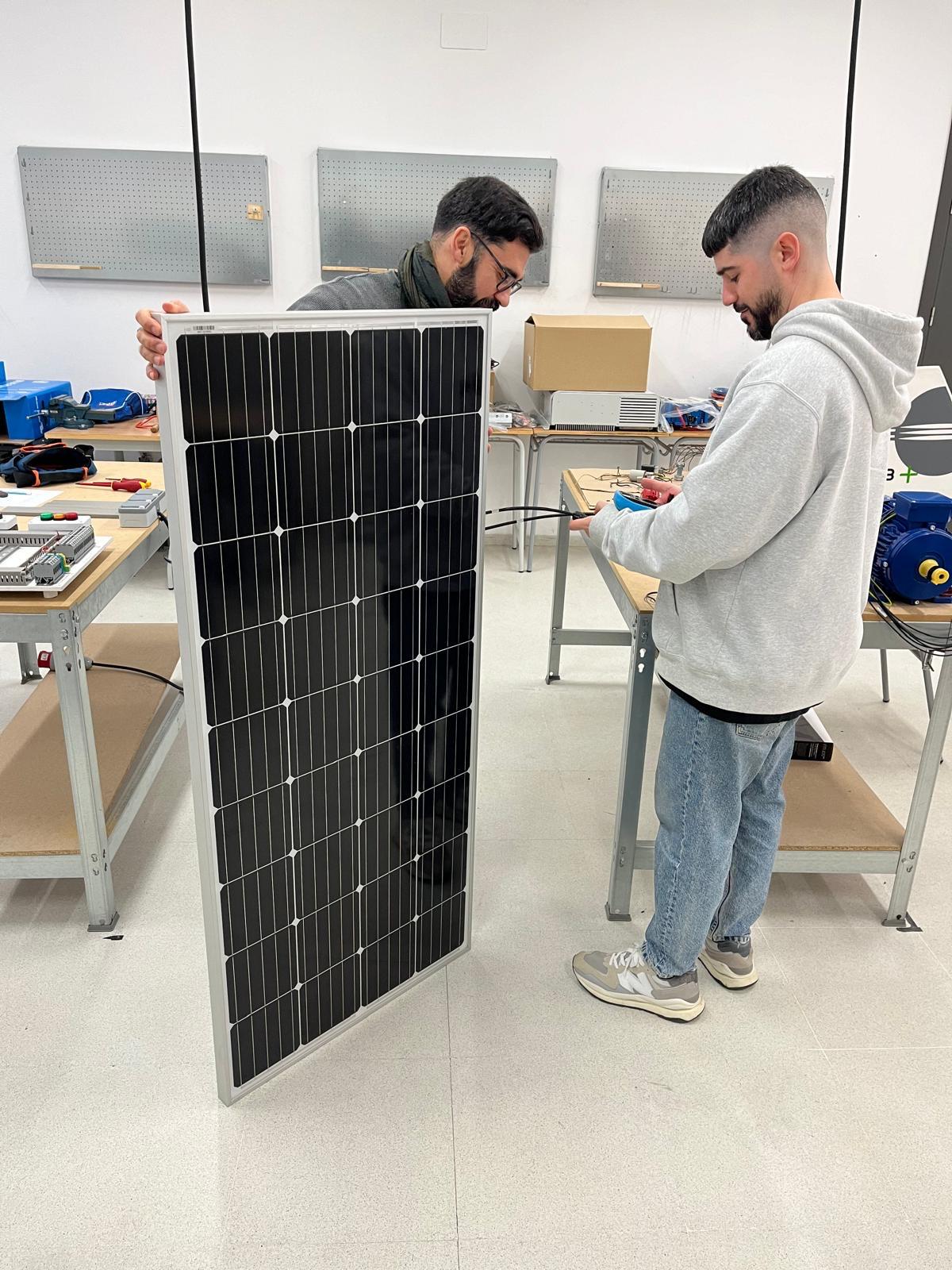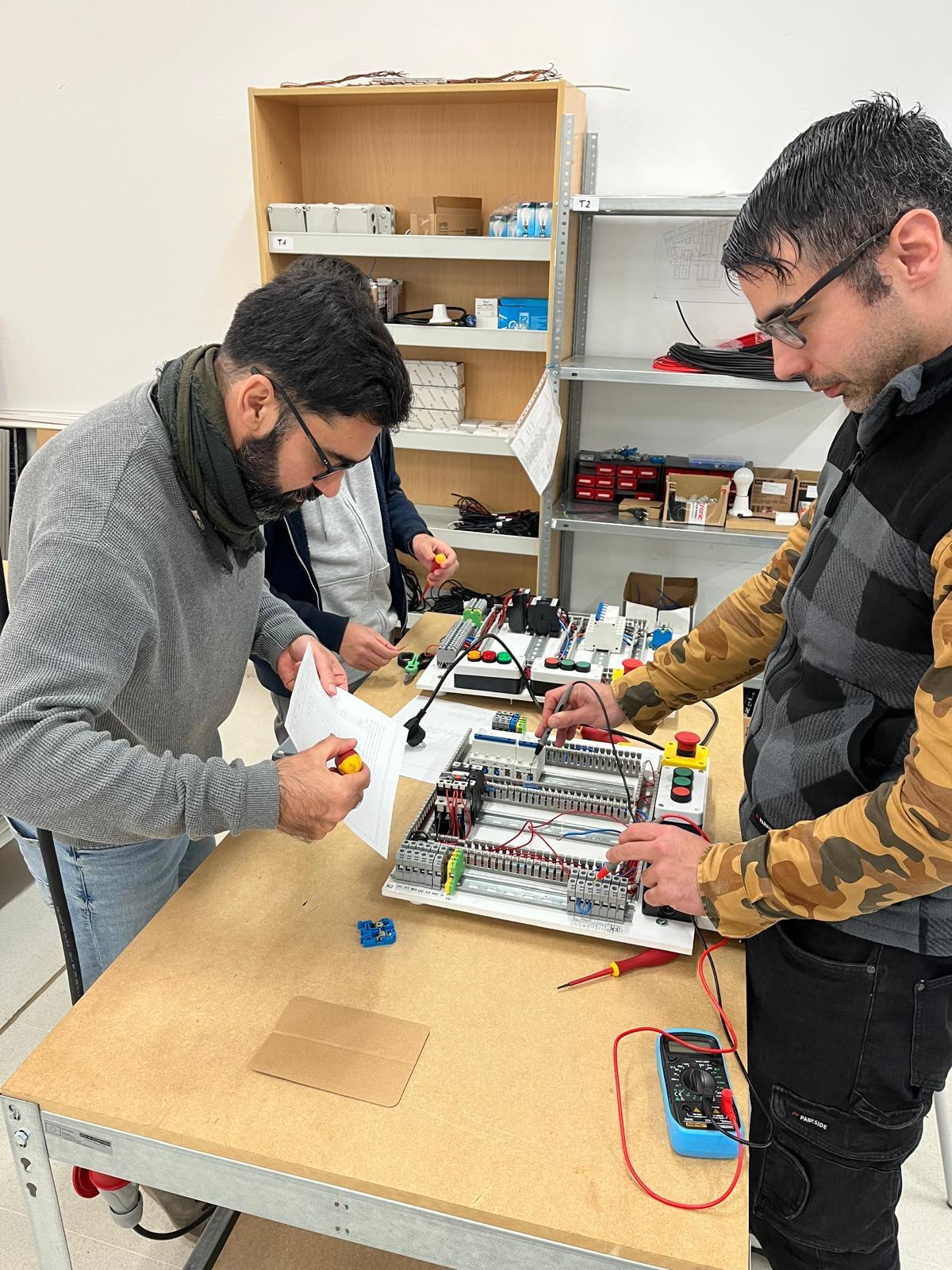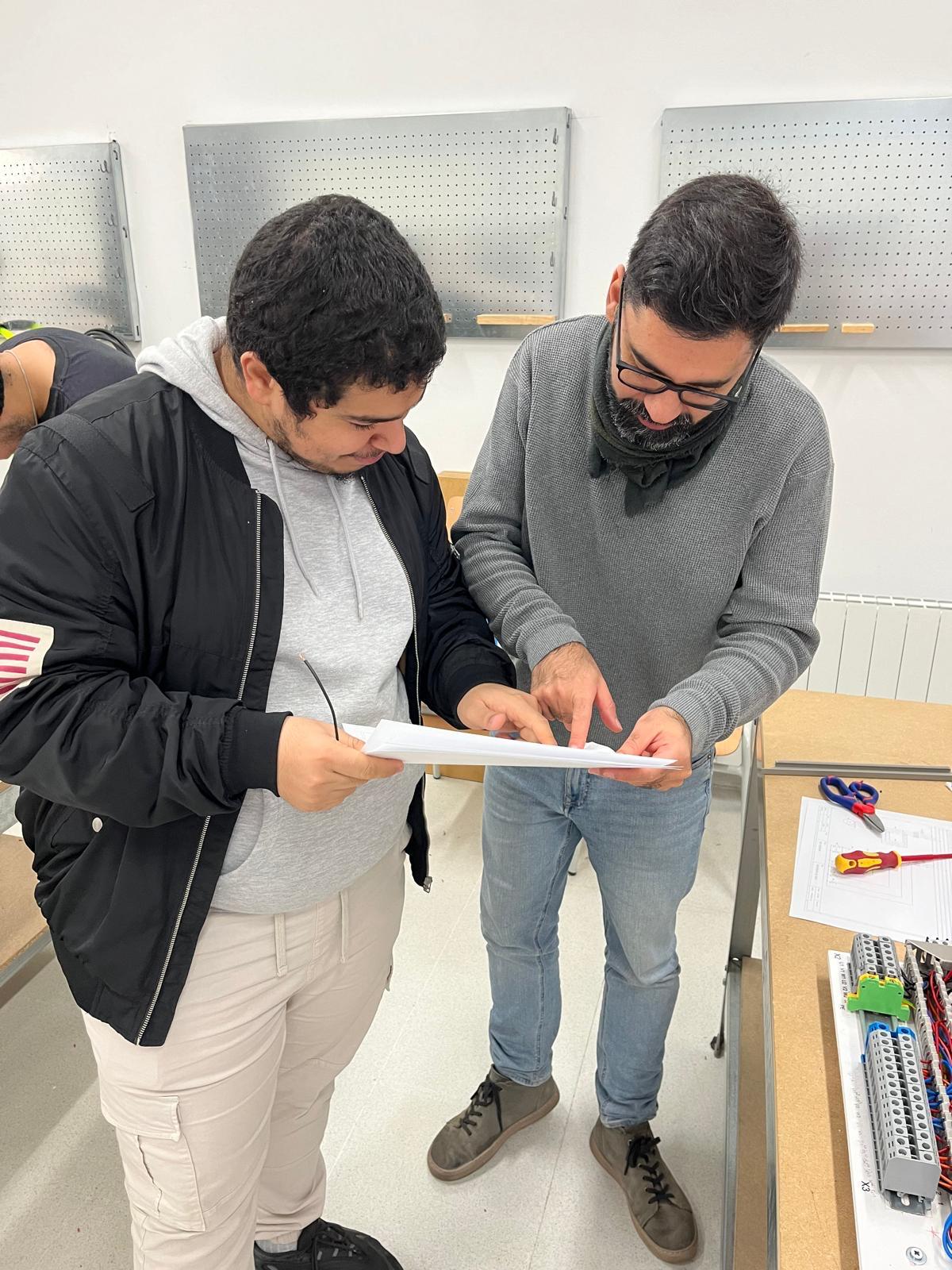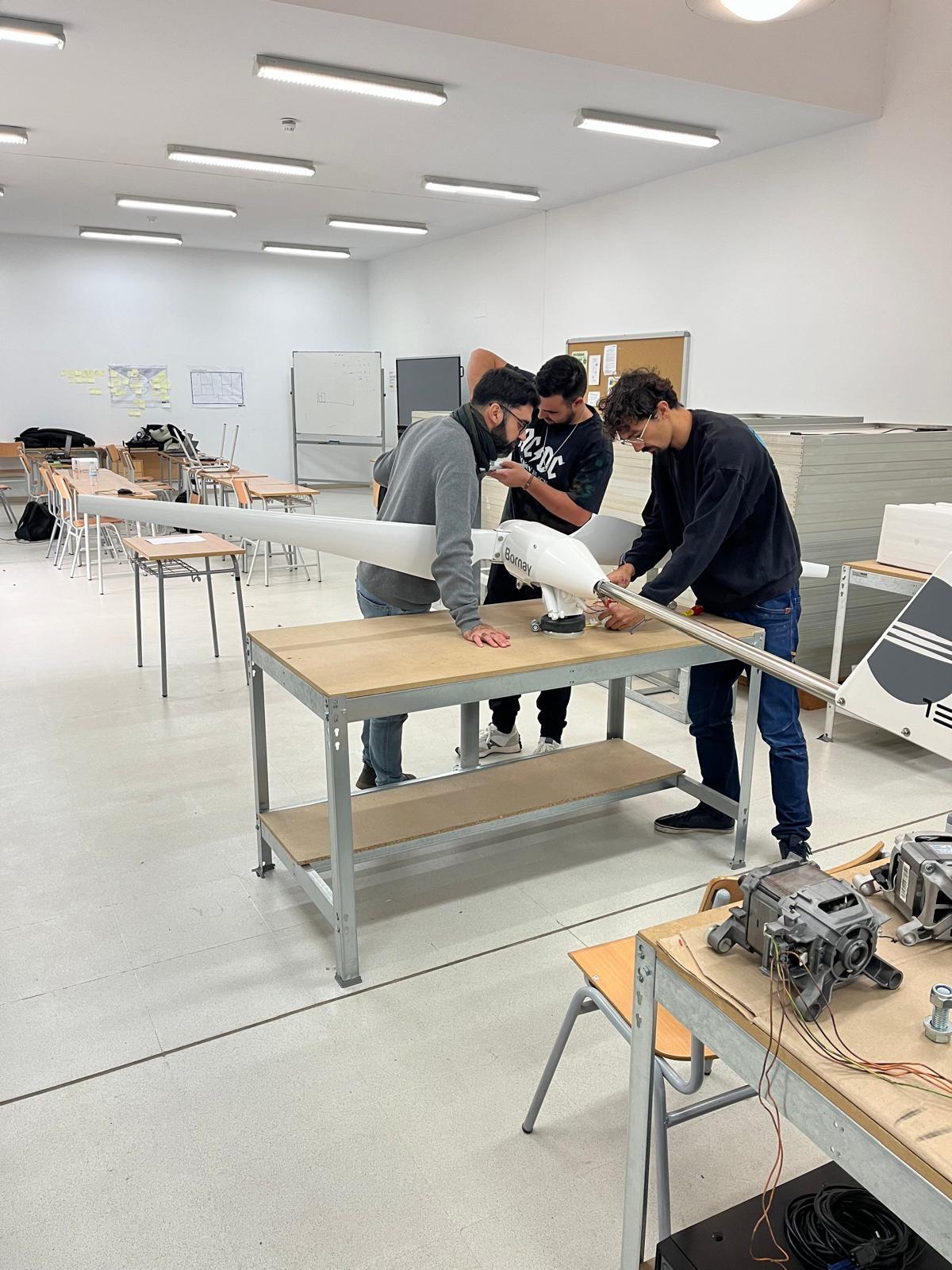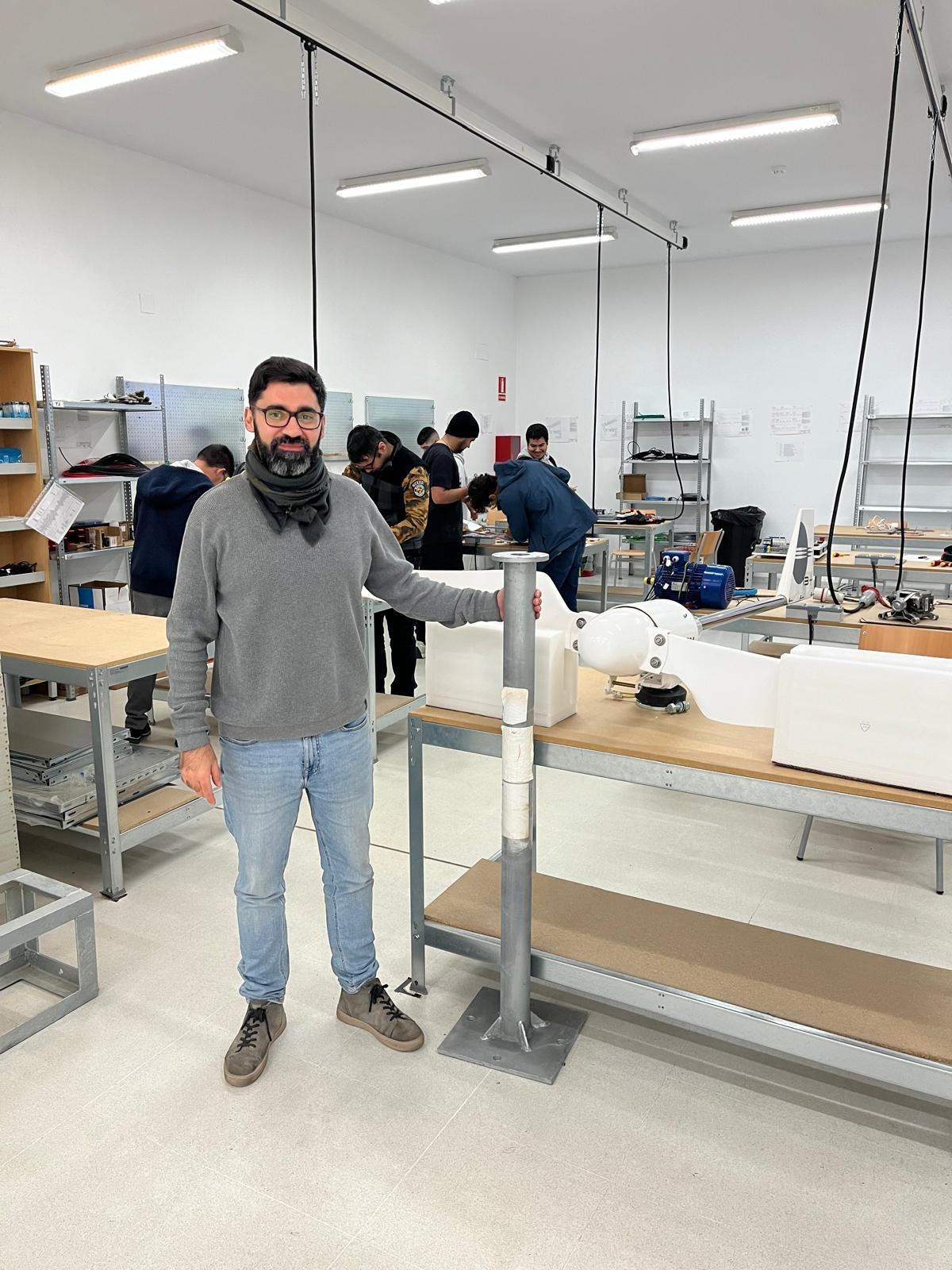
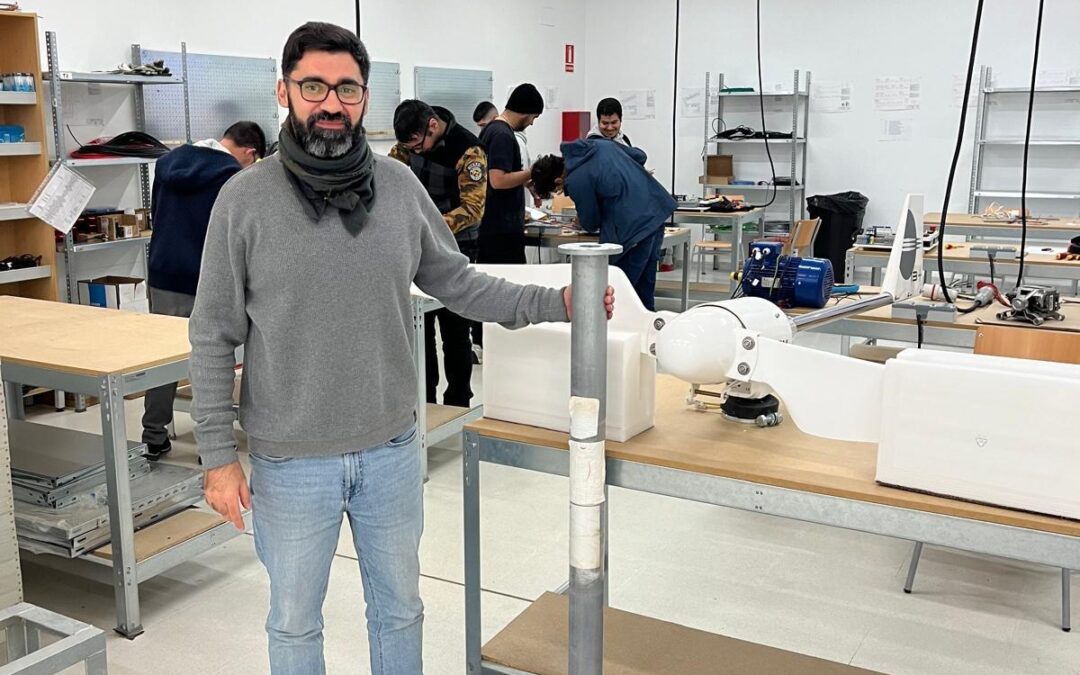
In a context of industrial transformation, ecological transition, and an urgent need for technical talent, Vocational Training is positioned as one of the key drivers of the future of work. We spoke with Eduardo Quintas Monroy, a technical teacher in the Higher Level Vocational Training Cycle in Renewable Energies at IES Caurium (Coria), who combines solid experience in the business world (he worked for Grupo Incalexa) with his current vocation as a teacher.
Through their committed perspective, we review the role of vocational training in youth employability, the involvement of the business sector, and the challenge of aligning education and sustainable development.
Ask: Eduardo, what does Vocational Training offer students today and how has it evolved in recent years?
Answer: Vocational training provides practical and specialized education, closely aligned with the real needs of the labor market. Students acquire both technical skills and transferable abilities that allow them to quickly integrate into professional environments. In recent years, we have witnessed a genuine transformation. The curriculum has been updated to reflect technological advancements, especially in sectors such as renewable energy and digitalization. Furthermore, the dual training model has strengthened the relationship between educational institutions and businesses, enabling more immersive learning. All of this has contributed to vocational training enjoying much greater social recognition today. It is no longer seen as a second-rate option.
PWhat has the implementation of Dual Vocational Training meant in educational centers?
A: It has brought about a radical change. This model, which combines academic training with practical experience in companies, offers clear advantages: students gain real-world experience, establish professional contacts, and find employment more easily. For companies, it's an opportunity to tailor training to their own talent. However, challenges remain: expanding the network of partner companies, ensuring quality internships, and moving towards regulations that include future remuneration for students.
Q: Why should a student choose this training option?
A: For many reasons. Vocational training has a very high employability rate because it's designed in conjunction with the productive sector. Furthermore, it offers academic pathways, such as access to university degrees, and specialization in strategic areas like renewable energy, where the demand for professionals continues to grow. From day one, students work with real tools and technologies. It's practical training.
Q: What shortcomings does Vocational Training still have today?
A: The most pressing issues are the lack of places in highly sought-after programs, such as those related to sustainability or energy, and regional inequality, since not all regions offer the same range of training opportunities. We must also continue working to increase business participation in dual vocational training and, above all, combat the stigma that still exists against traditional university options. Fortunately, this is changing.
Q: What is the employment rate for vocational training graduates, specifically in renewable energy?
A: In our case, employability exceeds 901%. And in the dual training model, we often see full job placement. The reason is clear: the sector is constantly expanding and needs qualified technicians to cover multiple areas related to the energy transition. Q: What are the main career paths? A: They are very diverse: from solar or wind turbine installation technicians to energy efficiency project managers or auditors. Also, installers for self-consumption companies, hybrid solutions, or renewable energy system maintenance. And some students choose entrepreneurship, creating their own companies or energy consultancies. Vocational training opens many doors.
Q: What role does vocational training play in new jobs linked to sustainability and the energy transition?
A: It's fundamental. There can be no energy transition without the skilled technicians who can make it a reality. We need professionals who install, maintain, and manage sustainable infrastructure, implement energy efficiency measures, and help ensure compliance with environmental regulations. Without a robust vocational training system, the sector cannot grow at the necessary pace. Vocational training is the foundation of a just, inclusive, and realistic energy transition.
Purposeful training
Eduardo Quintas Monroy embodies the new profile of a technical educator: closely connected to the business community, with experience in the sector, and deeply committed to the development of his students. His work not only trains renewable energy technicians but also directly contributes to the progress of a region like Extremadura, with enormous potential for sustainability.